CHENGDU HUARONG HUIDA NEW MATERIAL CO., LTD.
Technology
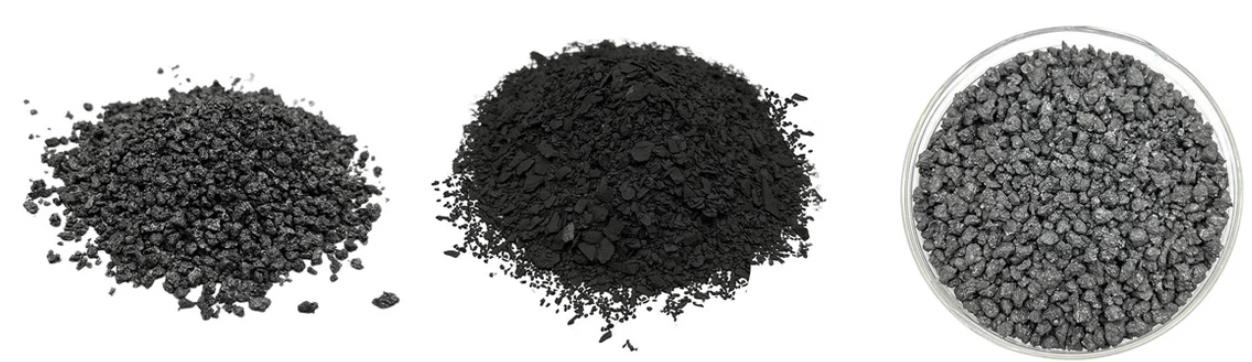
the production of graphite petroleum coke involves a series of processes designed to enhance the carbon purity of the raw petroleum coke. The primary steps include: Coking: Raw petroleum coke is subjected to high temperatures to drive off volatile materials, resulting in a material with increased carbon content. Calcination: The coke is then further heated in a controlled environment to remove additional impurities and convert the material into a crystalline form of carbon. Graphitization: In some cases, the material undergoes graphitization, where it is heated to extremely high temperatures to align the carbon atoms in a more ordered structure, resulting in improved conductivity and thermal stability. These processes are carefully monitored to ensure that the final product meets the required specifications for high-purity carbon.